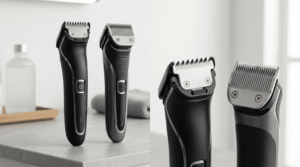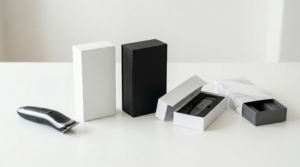
The comparison of ceramic blade trimmers vs steel blade trimmers matters because blade material has a direct effect on comfort, heat, maintenance, and overall trimming performance. Many buyers assume the difference is only about price, but in real use, the blade material can influence how the trimmer feels on the skin and how well it performs over time.
For consumers, this affects daily grooming comfort. For brands and B2B buyers, it also affects product positioning, packaging claims, and how a trimmer is presented in the market. That is why understanding the real difference between ceramic and steel blades is more useful than treating one as universally better than the other.
How ceramic blade trimmers vs steel blade trimmers differ in everyday use
The most noticeable difference in daily use is heat. Ceramic blades are often preferred for their ability to stay cooler during longer trimming sessions, which can make the grooming experience feel more comfortable, especially on sensitive areas. Steel blades, by contrast, are usually valued for strength, familiarity, and consistent cutting performance.
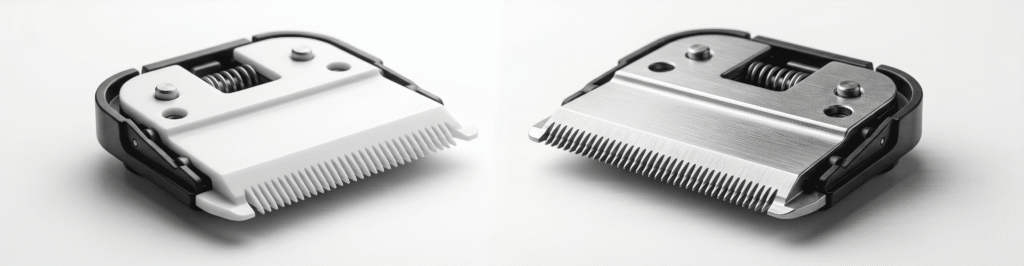
This does not mean ceramic is always better. Some users prefer the solid feel and proven reliability of steel, while others care more about reducing friction and heat. In practical terms, the better choice depends on how the trimmer will be used, how long each session lasts, and what type of user the product is designed for.
Heat and comfort are often the first real difference
When people compare ceramic blade trimmers vs steel blade trimmers, comfort is often the first thing they notice. A blade that heats up too quickly can make body grooming less pleasant, especially when trimming slower or working on thicker hair. This is why ceramic blades are often associated with a smoother and cooler experience.
Imagine a user trimming multiple body areas in one session. If the blade becomes noticeably warm, the product may still function well, but the experience feels less refined. A cooler-running blade can make the product feel more premium even if the motor and housing remain the same. For brands, this is one reason ceramic blade systems are often used in trimmers marketed for sensitive skin or comfort-focused grooming.
Sharpness and cutting feel are not exactly the same thing
Another important point in ceramic blade trimmers vs steel blade trimmers is that sharpness and cutting feel are related, but not identical. Steel blades are often seen as reliable for firm, efficient cutting, while ceramic blades are often associated with smoothness and reduced heat.

In the market, some buyers expect ceramic blades to automatically cut better, but that is not always the right way to think about it. The actual performance depends on the full blade system, the motor, the moving blade design, and the quality of assembly. Blade material matters, but it is only one part of the trimming result. This is why a well-made steel blade trimmer can still outperform a poorly designed ceramic one.
Durability and maintenance matter for long-term use
Durability is another major factor in the ceramic blade trimmers vs steel blade trimmers comparison. Steel blades are generally associated with strength and familiarity, especially in products designed for repeated, heavy use. Ceramic blades can offer comfort advantages, but users and buyers should also think about maintenance, impact resistance, and long-term handling.
For example, a trimmer used mainly at home and cleaned carefully after each use may benefit from the comfort and lower heat of ceramic. But in rougher usage conditions, durability expectations may favor steel or a mixed blade system. This is why many brands do not frame the choice as ceramic or steel alone. Instead, they position the blade system according to target use, grooming style, and product price level.
Which blade type is better for brands and buyers?
For brands, the question is not simply which material is better in theory. The better question is which blade solution fits the product strategy. If the goal is to highlight comfort, reduced heat, and a more premium grooming experience, ceramic blades may be the stronger selling point. If the goal is durability, proven familiarity, and practical performance, steel blades may be easier to position.
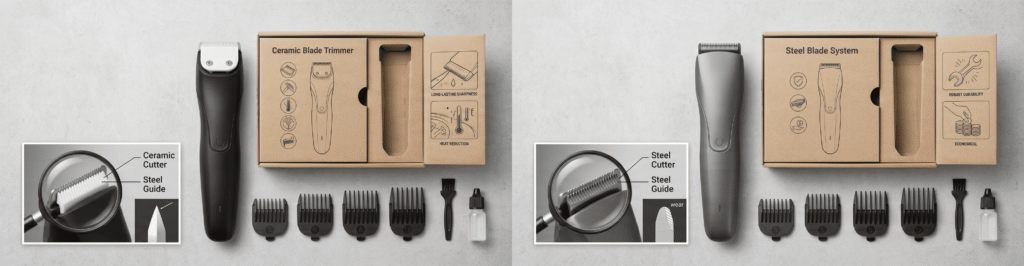
For B2B buyers, this decision also affects packaging language, feature presentation, and end-user expectations. A ceramic blade claim often works well in products aimed at comfort-focused or sensitive-skin users. A steel blade claim may work better in products positioned around toughness, reliability, or value.
A simple comparison
| Feature | Ceramic blade trimmers | Steel blade trimmers |
|---|---|---|
| Heat during longer use | Usually cooler | Can feel warmer over time |
| Comfort perception | Often smoother and gentler | Often solid and familiar |
| Product positioning | Premium, comfort-focused | Durable, practical, reliable |
| Buyer appeal | Sensitive skin, modern grooming | Strength, value, proven use |
| Best fit | User comfort and refined feel | General durability and broad market appeal |
Final thoughts
The real answer to ceramic blade trimmers vs steel blade trimmers is not that one material always wins. Ceramic blades are often preferred for cooler performance and comfort, while steel blades are often chosen for strength, familiarity, and dependable cutting feel.
For consumers, the best choice depends on grooming habits and skin sensitivity. For brands and buyers, the best choice depends on how the product is meant to be positioned in the market. In many cases, the smarter decision is not asking which blade material sounds better, but which one creates the user experience your product is supposed to deliver.