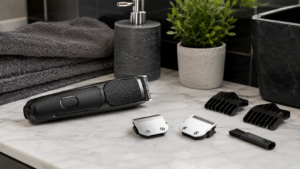
How often should you replace body trimmer blades is a common question because blade performance directly affects comfort, hygiene, and trimming efficiency. In most cases, body trimmer blades should be replaced when users notice pulling, reduced cutting performance, increased friction, or visible wear during grooming.
However, there is no single replacement schedule that fits every product. The lifespan of body trimmer blades depends on factors such as blade material, frequency of use, maintenance habits, and overall product quality. In 2026, both consumers and grooming brands are paying more attention to blade longevity because user experience has become a major part of product value.
Why body trimmer blade condition matters more than many users realize
Many users focus mainly on battery life or waterproof features when buying a grooming device, but blade condition often has a bigger impact on actual comfort. Even a powerful trimmer can feel unpleasant if the blades become dull, misaligned, or rough over time.
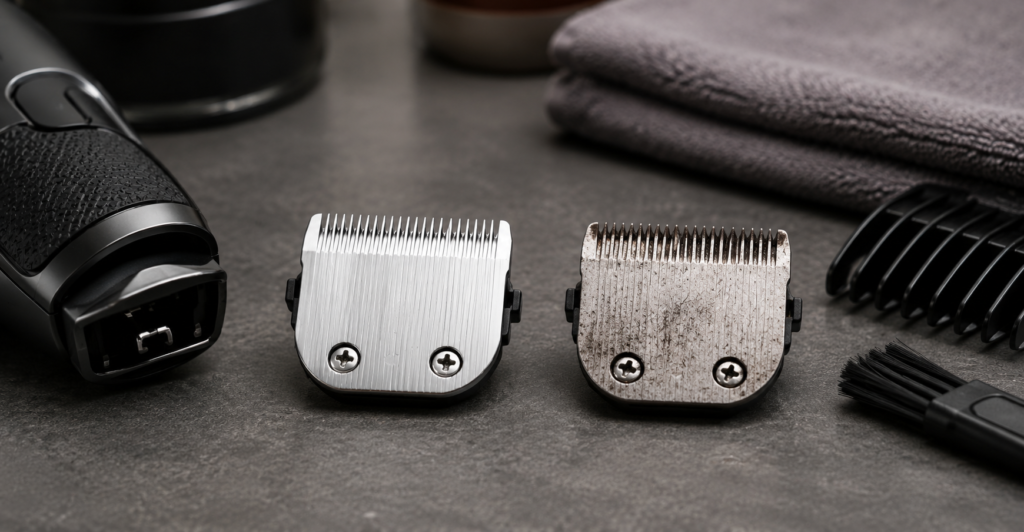
A fresh and properly maintained blade system helps:
- reduce pulling
- improve trimming smoothness
- lower skin irritation
- maintain grooming efficiency
This becomes especially important for body grooming because many trimming areas are more sensitive than facial hair grooming. A worn blade may still cut hair, but the overall experience can feel less comfortable and less precise.
Common signs that body trimmer blades may need replacement
One of the clearest answers to how often should you replace body trimmer blades is that users should watch for performance changes rather than relying only on a fixed timeline.
Some common signs include:
- hair pulling during trimming
- uneven cutting
- increased skin irritation
- noticeable blade heat
- louder cutting sound
- reduced cutting efficiency
- visible blade damage or corrosion
For example, a trimmer that previously moved smoothly across the skin may begin requiring multiple passes to achieve the same result. This usually indicates that the blade system is no longer performing at its best.
In some cases, proper cleaning and lubrication can improve performance temporarily. But when blade wear becomes significant, replacement is often the better solution.
Blade material affects replacement frequency
Blade lifespan can vary depending on the blade material and overall blade system design. This is one reason why ceramic and steel blade discussions remain important in the grooming industry.
Steel blades are often associated with durability and strong cutting performance, while ceramic blades are commonly preferred for cooler operation and comfort-focused grooming. However, both materials still experience wear over time.
The actual replacement cycle depends more on:
- usage frequency
- maintenance habits
- hair thickness
- cleaning routines
- product quality
A lightly used home trimmer may maintain good performance for a long period, while a frequently used grooming device may require earlier blade replacement.
Maintenance can significantly extend blade life
Proper maintenance plays a major role in extending blade performance. Many users replace blades earlier than necessary simply because the blade system was not cleaned or maintained correctly.
Good maintenance habits usually include:
- removing trapped hair after use
- keeping blades dry when appropriate
- cleaning according to product instructions
- using lubrication if recommended
- avoiding impact damage
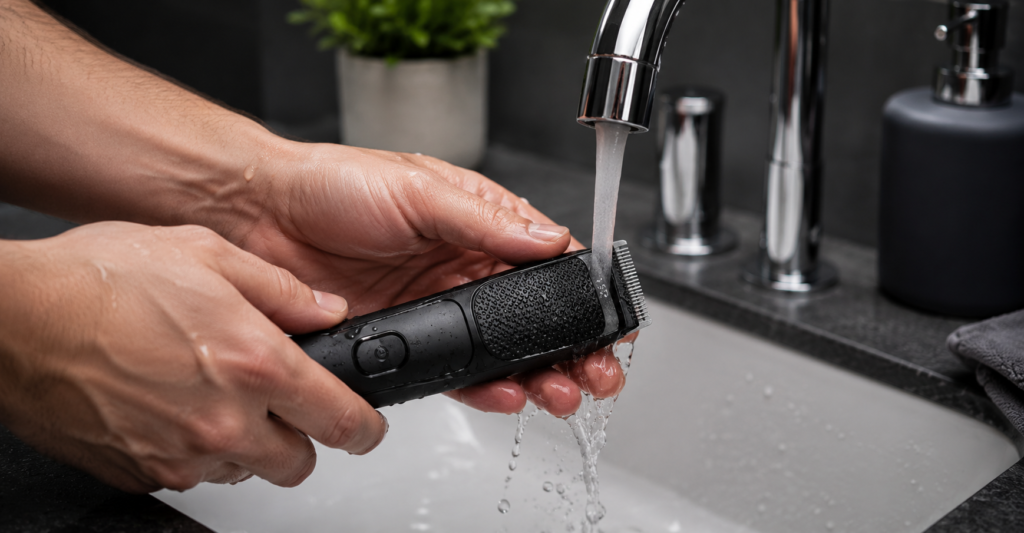
For waterproof body trimmers, regular rinsing may help maintain hygiene and reduce buildup. However, even waterproof systems still require proper drying and storage to support long-term performance.
For brands and OEM manufacturers, blade maintenance instructions are also part of the user experience. Clear maintenance guidance can improve customer satisfaction and reduce complaints related to performance decline.
Why replacement blades matter for long-term product value
Consumers increasingly view grooming devices as long-term personal care products rather than disposable electronics. Because of this, replacement blade availability has become more important in product selection.
Brands that provide:
- replacement blade systems
- easy maintenance
- clear cleaning instructions
- accessible accessories
often create stronger long-term user trust.
For private label and OEM buyers, this also affects product positioning. A body trimmer with replaceable blades may appear more premium and practical compared to products designed only for short-term use.
How brands approach blade replacement in modern grooming products
In 2026, many grooming brands are improving blade systems to support better comfort, durability, and easier maintenance. Instead of focusing only on cutting performance, brands are also paying attention to:
- skin comfort
- friction reduction
- blade hygiene
- replacement convenience
- long-term usability
This reflects a broader shift in the grooming market. Consumers now expect body trimmers to provide a complete user experience rather than simply functioning as basic hair removal tools.
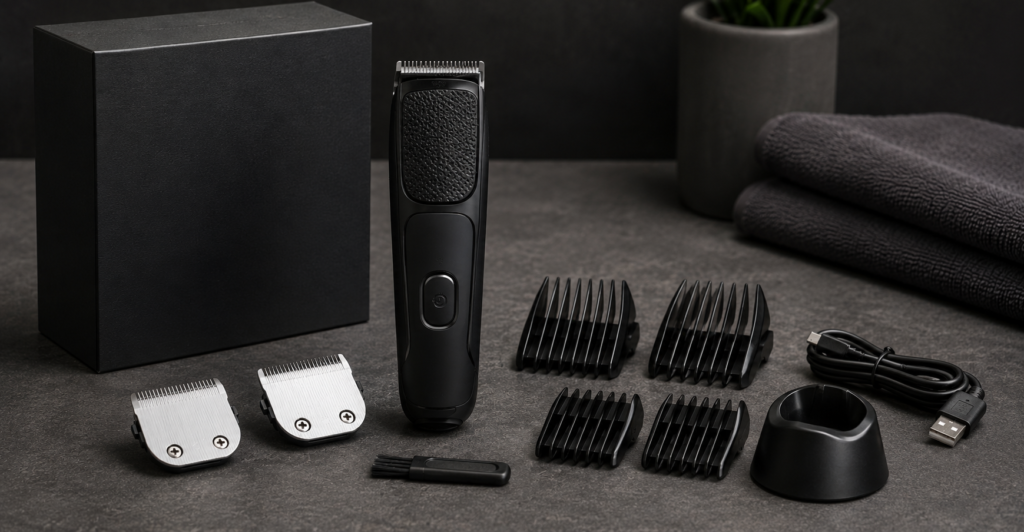
As a result, blade replacement is no longer viewed only as maintenance. It has become part of the overall product ecosystem and customer satisfaction strategy.
A simple overview of blade replacement factors
| Factor | Effect on Blade Lifespan |
|---|---|
| Frequent use | Faster blade wear |
| Thick or coarse hair | Increased cutting stress |
| Poor cleaning habits | Reduced blade performance |
| Proper lubrication | Helps maintain smooth cutting |
| Waterproof cleaning support | Can improve hygiene maintenance |
| Higher-quality blade systems | Often provide longer performance stability |
Final thoughts
How often should you replace body trimmer blades depends on how the product is used, maintained, and designed. Instead of following a strict replacement schedule, users should pay attention to changes in comfort, cutting performance, and overall grooming experience.
For consumers, replacing worn blades can improve comfort and restore trimming efficiency. For brands and OEM buyers, blade durability and replacement support are becoming increasingly important parts of modern grooming product design.
As grooming products continue evolving in 2026, blade maintenance and replacement are no longer minor details. They are now important factors in how users judge product quality and long-term value.