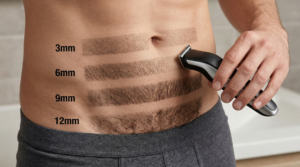
Sensitive skin demands a low-friction routine and predictable variables; the following body trimmer usage tips focus on hydration, blade hygiene, pressure control, and barrier-first aftercare so you can achieve a smooth finish without redness or stinging.
Begin by softening hair in lukewarm water for 2–3 minutes, pat dry (don’t rub), and ensure blades are sharp, clean, and aligned—dull edges tug, overheat, and scratch, which is the fastest route to razor burn on reactive skin. Always test a small patch with a higher guard to confirm tolerance, then scale closeness gradually rather than chasing “baby-smooth” on the first pass. If terms appear: occlusive means a moisture-sealing ingredient (like petrolatum); humectant means a water-attracting ingredient (like glycerin) that helps keep skin hydrated.

Prep that prevents redness — body trimmer usage tips
- Wash with a gentle, non-soap cleanser to remove oils and grit that increase drag, then fully dry; moisture trapped under guards can create micro-chafing on sensitive zones.
- Lightly dust a talc-free body powder on high-friction areas (inner thighs, underarms) to cut surface moisture so the head glides consistently without sticking.
- Comb or finger-detangle longer hairs before trimming; mats cause snags that feel like pinches and can trigger post-trim inflammation.
- Map the grain (direction of growth) and start with-the-grain to reduce lift-and-cut trauma; only go across/against grain for finish work and only if the skin tolerates it.
- Choose a starting guard length of 5–7 mm for high-friction regions and step down in 1–2 mm increments; a staged approach reduces cumulative irritation. These body trimmer usage tips build a glide-friendly surface, limit sudden contact stress, and keep the hair presentation uniform for safer cutting.
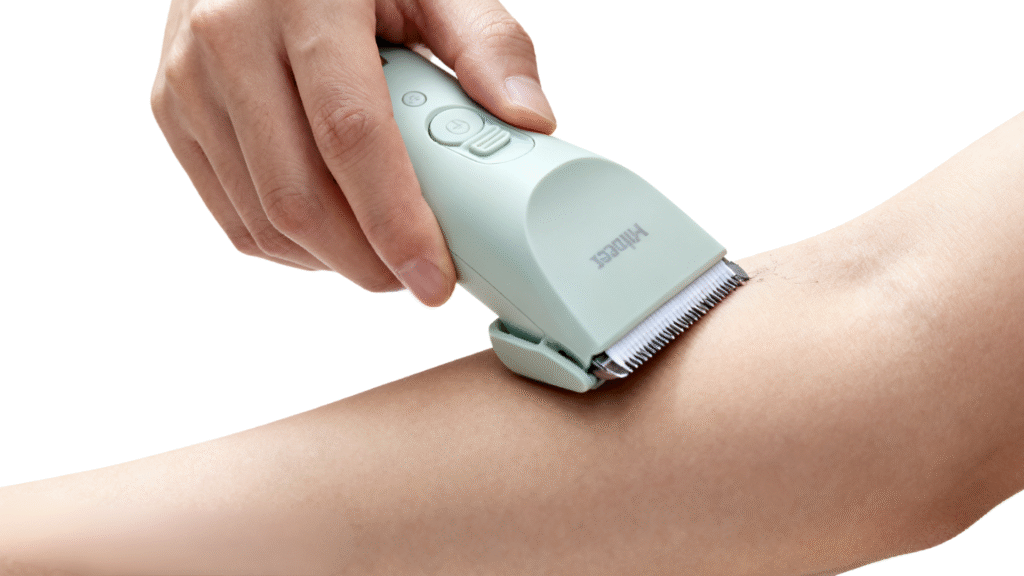
Technique that keeps skin cool — body trimmer usage tips
- Hold the trimmer with a relaxed grip and keep a shallow angle; pressing down folds skin into the teeth, which increases heat and the risk of “track marks” (tiny linear abrasions).
- Use short, overlapping strokes (2–4 cm) and pause every 20–30 seconds to wipe hair from the head; continuous cutting with a clogged head raises friction and temperature quickly.
- Stretch the skin gently with your free hand in contoured areas (groin, underarms) to create a flatter runway; a flatter surface lowers catch points and nick risk.
- Prioritize guards or skin-protect bars on reactive zones; reserve guardless passes for durable areas like the chest, and only after confirming no hot spots.
- Keep devices in the mid-power range when possible; very low battery torque can yank, while turbo modes can feel harsh on thin skin—aim for steady RPMs that cut cleanly without chatter. Practiced correctly, these body trimmer usage tips control pressure, angle, stroke length, and temperature—the four variables most correlated with razor burn on sensitive skin.

Aftercare that actually works — body trimmer usage tips
- Rinse trimmed areas with cool water and pat dry, then apply an alcohol-free lotion rich in humectants (glycerin, hyaluronic acid) and soothing agents (aloe, panthenol); avoid strong fragrance that can sting newly exposed follicles.
- If prone to razor bumps (pseudofolliculitis), use a low-strength exfoliant 2–3 times per week, such as 2% salicylic acid; this keeps follicles clear without harsh scrubbing.
- Skip tight clothing for 2–3 hours post-trim to reduce friction-generated redness; breathable fabrics help the barrier recover.
- Disinfect blades and guards after each session and let them air-dry thoroughly; consider ceramic or hypoallergenic stainless options if you notice consistent reactivity to standard steels.
- Space sessions 48–72 hours apart in sensitive areas; recovery windows matter as much as perfect technique. These body trimmer usage tips extend beyond the sink to reinforce the skin barrier, limit follicular occlusion, and maintain a cool, calm surface between trims.
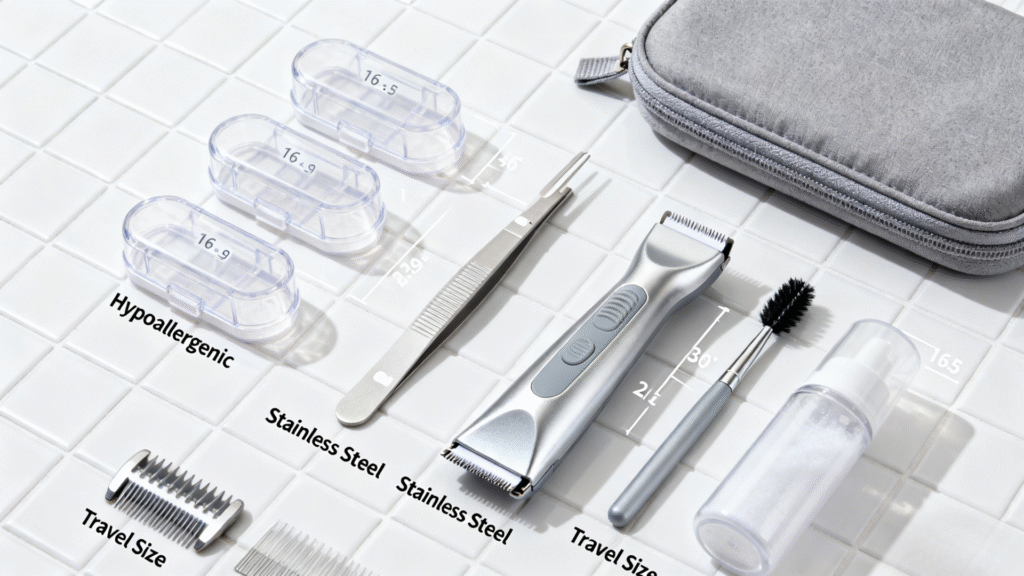
Pro-level refinements — body trimmer usage tips
- Wet vs. dry decisions: Wet trimming can improve glide, but some guards stick on damp skin; if you notice skip-and-grab, switch to dry with powder for consistent motion.
- Guard selection strategy: Keep a “comfort baseline” length for sensitive zones (often 3–5 mm), and don’t chase zero unless you’ve validated tolerance; perceived smoothness often comes from uniformity, not closeness.
- Zone sequencing: Trim low-friction areas first (chest, thighs) to calibrate blade feel, then tackle reactive areas (groin, underarms); this reduces surprises when precision matters most.
- Heat management: If the head feels warm, stop for 15–20 seconds; heat amplifies stinging on thin skin and compounds micro-irritations.
- Travel protocol: Pack a dedicated soft brush, mini alcohol-free toner, and spare guards; changing humidity and water hardness can alter glide, so have backups ready. These body trimmer usage tips help you adapt in real time to hair type, device behavior, and environmental factors so sensitive skin stays calm.

Ready to turn these body trimmer usage tips into better product reviews and fewer returns for your brand? Click Contact Us to get expert guidance, custom guards, hypoallergenic blade options, and private-label packaging tailored for sensitive skin users, and learn more about OEM services at https://www.gzaimeitech.com/. Partnering on specification, materials, and guard geometry ensures your customers get the comfort they expect—without the razor burn.